FILTERS
5 Summer Herbs That Work Wonders for Your Body
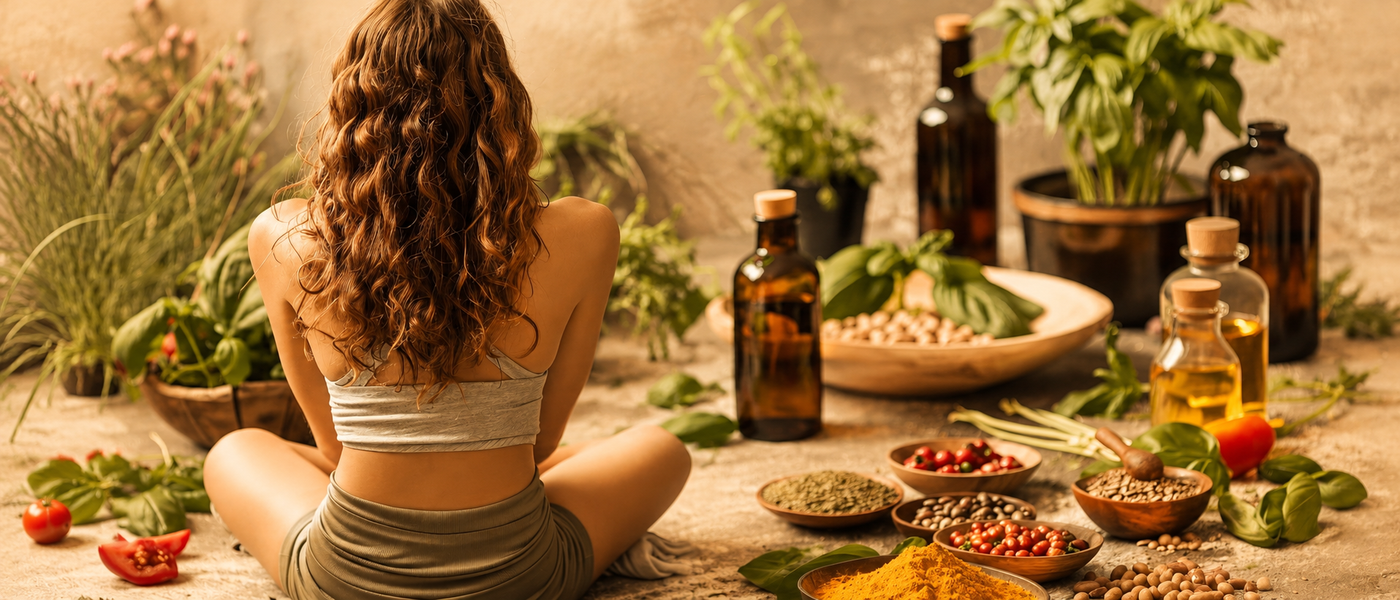
Summer asks for simple changes: cooler foods, more fluids, and herbs that calm internal heat. This quick, actionable guide explains five cooling summer herbs from Ayurveda, why they’re chosen for hot months, how to use them safely, and easy ways to include them in daily life to reduce heat-related imbalance.
TL;DR – Cooling Summer Herbs in Ayurveda
- Summer Increases Pitta: Hot weather can aggravate Pitta, leading to acidity, irritability, restlessness, poor appetite, inflamed skin, and internal heat.
- Cooling Herbs Support Balance: Ayurveda recommends cooling herbs with sweet, bitter, or astringent qualities to help calm heat-prone systems naturally.
- Brahmi Supports Calm & Focus: Brahmi may help with heat-related restlessness, poor concentration, mental fatigue, and summer sleep disruption.
- Amla Supports Digestion & Skin: Amla is cooling, antioxidant-rich, and traditionally used to support digestion, skin hydration, and Pitta balance.
- Gokshura Supports Fluid Balance: Gokshura is traditionally used for urinary comfort and hydration support, especially during heavy sweating or summer heat.
- Shatavari Nourishes Dryness: Shatavari is a cooling, nourishing tonic traditionally used for tissue hydration, vitality, and gentle summer support.
- Rose Gives Quick Cooling Relief: Rose water, rose infusions, or rose-based drinks can help refresh the body and soothe hot, irritated skin.
- Use Herbs Wisely: Choose herbs based on your need, start gently, avoid overuse, and check with a clinician if pregnant, breastfeeding, on medication, or managing chronic health conditions.
How Ayurveda Looks at Herbs During Summer
Why Cooling Herbs Matter More in Hot Weather
Ayurveda treats seasonality as a core part of self-care. In summer, the Dosha called "Pitta" (associated with heat and digestion) tends to rise, so practitioners favour cooling (shita) herbs over heating (ushna) ones. Signs of excess heat include irritability, acidity, red or inflamed skin, poor appetite, and restlessness. Choosing cooling herbs — those described as sweet, bitter or astringent in taste — helps bring balance back to heat-prone systems.
Staying Hydrated While Supporting Electrolyte Balance
Summer increases sweating and loss of electrolytes; herbs are most helpful when combined with fluids and electrolyte-containing foods. Think coconut water, amla (Indian gooseberry) preparations and lightly salted cooling drinks. People with chronic conditions or on medications (especially diuretics, blood pressure medicines or heart drugs) should check with a clinician before adding herbs that influence fluid balance.
How Heat Affects Digestion, Skin, and Mood
Heat can disrupt digestion, dry the skin and elevate irritability. Many cooling herbs are traditionally used to support gentle digestion, maintain skin hydration and calm the mind. For example, amla is prized for its rejuvenating, cooling quality and is commonly used to support digestion and skin health rather than as a medical treatment.
Brahmi — Calm mind and cooling support
1. How Brahmi May Help During Summer
Brahmi (often equated with Bacopa or also called gotu kola in some traditions) is a classic cooling herb in Ayurveda. It’s traditionally used to support mental clarity, reduce heat-induced restlessness and provide a calming influence on the nervous system. In summer, people often try Brahmi when they notice poor concentration, sleep disruption due to heat, or a jittery feeling from heat stress.
Brahmi Tablets: Ayurvedic Support for Memory & Stress
A traditional Ayurvedic formulation crafted to support mental clarity, calmness, and cognitive wellness
Buy Now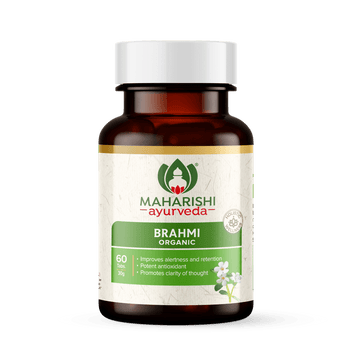
2. Who may benefit most?
- Pitta-prone people who notice heat-related irritability or concentration lapses.
- Students or professionals need gentle cognitive support during hot months.
- Those seeking a calming herbal option to add to cool infusions or morning routines.
3. Safety Notes Before Using Brahmi
Brahmi is generally considered safe with thyroid medicines, but take care if you use sedatives or other prescription drugs—herbs can interact. Avoid high-dose self-prescribing, and consult a clinician if pregnant, breastfeeding, or on long-term medication. Stop use and seek advice if you experience persistent digestive upset or allergic symptoms.
Amla (Amalaki) — Antioxidant and digestion support
1. Nutritional profile and key benefits
Amla (Indian gooseberry) is valued for its high vitamin C content and antioxidant-rich profile. In Ayurvedic language, it’s cooling, rejuvenating and balancing for Pitta. Relevant summer benefits often cited in traditional use include support for skin hydration, gentle digestive balance and an overall rejuvenating quality when incorporated into the diet.
2. Amla for digestion and skin
For digestion and skin care, amla is typically used as a food ingredient: fresh, as chutney, or as diluted juice. These food forms are favoured in summer because they provide cooling, palatable ways to include the herb. Introduce amla gradually if you have a sensitive stomach.
3. Easy Ways to Add Amla to Your Routine
- Fresh amla or diluted amla juice in a cooler with mint.
- Amla chutney as a condiment to meals to support digestion.
- Powdered amla or single-ingredient supplements for convenience, check the forms & dosing section below for guidance before choosing concentrates.
Amalaki Churna: Ayurvedic Support for Digestion & Vitality
A traditional Ayurvedic powder crafted to support daily wellness, digestion, and natural rejuvenation
Buy Now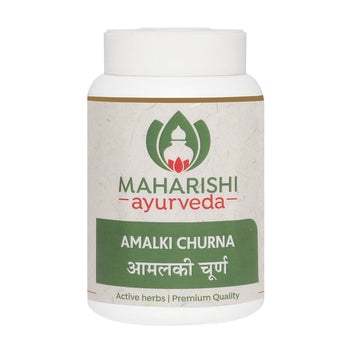
Gokshura — Hydration and urinary support
1. How it supports fluid balance
Gokshura (Tribulus terrestris) is traditionally used in Ayurveda to support healthy urinary function and fluid balance. In summer contexts, it’s chosen to help the body recover after heavy sweating and to support normal urinary comfort. Descriptions in traditional texts focus on supportive effects rather than clinical treatments.
2. Traditional Ways Gokshura Is Used
Common traditional preparations pair gokshura with milk or cooling herbs. A cultural example: powdered gokshura mixed with warm milk as a short-course restorative. These pairings aim to provide nourishment and a cooling, unctuous quality.
3. Precautions and who should avoid it
People taking diuretics, blood pressure medications, or with kidney or heart conditions should check with a clinician before using gokshura. Pregnant or breastfeeding individuals should avoid new herbal regimens without medical advice.
Shatavari — Cooling nourishment and women's wellness
1. Benefits for hydration and vitality
Shatavari (Asparagus racemosus) is described in Ayurveda as a cooling, unctuous tonic that supports hydration of tissues and epithelial health. It’s often recommended in summer for preventing dryness, supporting vitality and as a gentle nutritive.
2. Traditional preparations and timing
Shatavari is commonly taken as a powder mixed with milk or as a mild infusion. Traditionally, it is recommended to take in the morning with milk, depending on the preparation; these timing choices aim to enhance nourishment and sleep quality without relying on specific dosing here.
3. Can Men and Women Both Use Shatavari?
Although commonly associated with women’s health, shatavari is used by all genders as a tonic. If you have hormone-sensitive conditions, are pregnant, consult a clinician before adding shatavari.
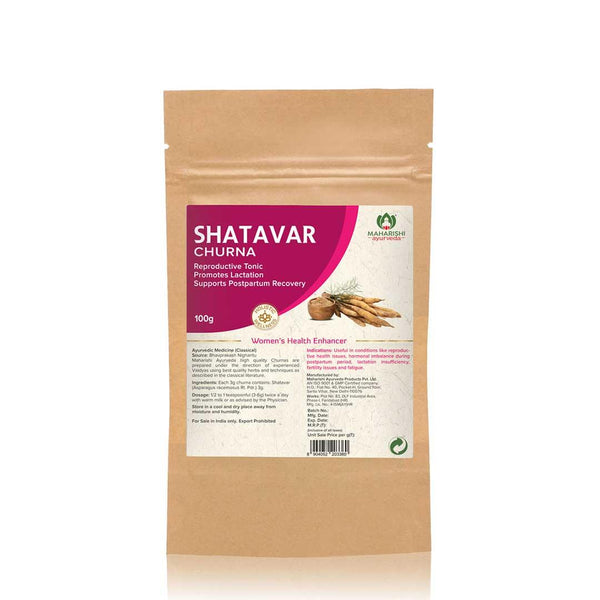
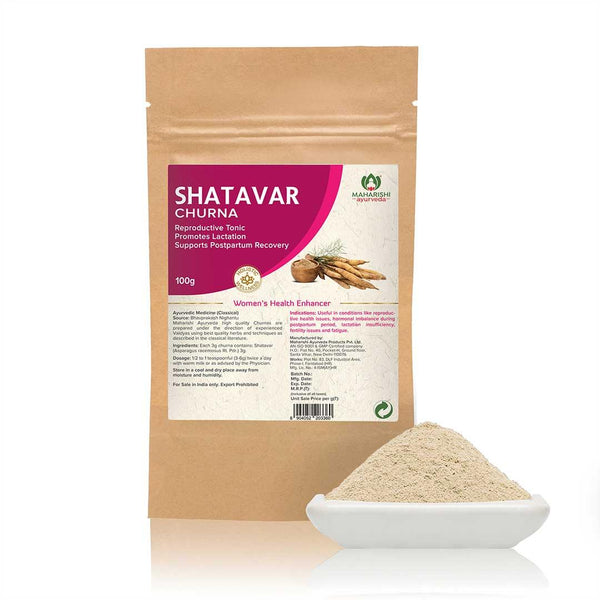
Shatavari Churna: Ayurvedic Support for Women’s Wellness
A traditional Ayurvedic powder crafted to support balance, vitality, and overall reproductive wellness
Buy Now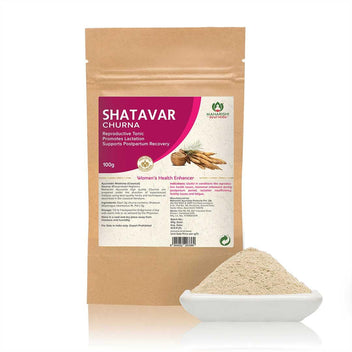
Rose — Natural cooling and refreshment
1. How Rose Helps Calm Hot, Irritated Skin
Rose water and rose-infused preparations are widely used for instant cooling. A mist or compress is a simple way to calm hot, irritated skin and provide quick refreshment. Always patch-test a new topical product on a small skin area first.
2. Easy Rose Water Ideas You Can Try(DIY)
Quick home method: simmer fresh rose petals in a small amount of water until fragrant, strain, cool and store in the refrigerator for up to a week. For longer storage, choose a reputable prepared rose water and follow label guidance. Keep homemade rose water refrigerated and discard if it develops off-odours or cloudiness.
3. When to Use Rose on Skin vs. in Food or Drinks
Use topical rose water for immediate relief (face spritzes, compresses). Choose edible forms of rose sherbet or lightly sweetened infusions—when you want a pleasant, dietary cooling approach. If you have medical conditions or are pregnant, ask a clinician before starting internal herbal use.
How to include these herbs in your routine
Make Cooling Herbal Teas and Infusions
Cooling infusions are easy and safe for most people: use short steep times (3–5 minutes) and allow the drink to cool before refrigerating. Try combos like brahmi + rose for a calming cooler or amla + mint for a refreshing digestive drink. Prepare fresh and refrigerate; discard after 24–48 hours.
Powders, tablets and choosing a form
Powders give culinary flexibility, tablets are convenient for travel, and extracts can be more concentrated. When shopping, look for clear ingredient lists, third-party testing or purity certificates, and transparent sourcing. "Brahmi tablets" are a common search—choose products with clear per-serving information and consult a clinician if you’re on medication.
Simple Summer Drinks You Can Make at Home
Amla–Mint Cooler: Dilute 1–2 tablespoons fresh amla juice with water, add crushed mint and a pinch of salt; chill and serve.
Shatavari Milk Tonic (traditional style): Mix a small scoop of shatavari powder into warm milk in the evening for a nourishing, cooling drink.
Which summer herb is right for you
For mental stress and focus
Choose Brahmi for heat-related restlessness or concentration issues—try it as a tea or mild powder in cool drinks.
For hydration and urinary support
Consider Gokshura when fluid balance or urinary comfort is a concern—seek medical input if you’re on diuretics or have kidney/heart issues.
For immunity and skin support
Amla is a food-friendly option to include daily for its cooling, antioxidant-rich profile—fresh juice or chutney are practical choices.
For Dryness, Low Energy, and Gentle Nourishment
Shatavari is a gentle tonic to consider if you’re worried about dryness, low energy from heat, or want a nourishing nightly drink.
Safety, Timing, and What to Expect
How Long These Herbs May Take to Work
Herbal effects vary by goal. Mental clarity or calm may be noticed in a few days to a few weeks with consistent use; changes in skin or digestion are often slower and may take several weeks. Journaling for 2–8 weeks helps you track what’s changing.
Common interactions and precautions
Common interaction classes to check with your clinician include sedatives, blood thinners, hormone therapies, thyroid medicines and blood pressure drugs. Pregnant or breastfeeding people and children should seek medical advice before trying new herbs.
Popular Posts

What Are the Most Effective Ayurvedic Remedies for Period Pain, and How Do I Take Them?
01 Jun, 2026Every month, millions of women push through their day with a hot water bottle pressed to their ab...
Read more
The Science of Stress: What Happens Inside Your Body Under Pressure
29 May, 2026Most of us have felt it at some point. A sleepless night before a difficult meeting. A tight ches...
Read more
Bleeding Gums? Sensitivity? Here’s What Ayurveda Says Your Mouth Is Trying to Tell You
28 May, 2026Bleeding gums while brushing, tooth sensitivity, gum tenderness, bad breath, or a coated tongue a...
Read moreRecommended Products


100% Natural Brahmi powder, Helps improve concentration, Boosts memory, Rejuvenates the nervous system, Certified by ECOCERT




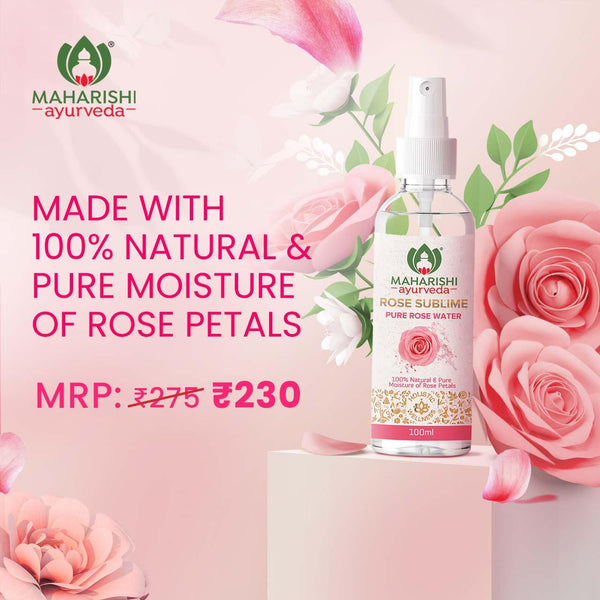
Made from 100% Rose Petals, Balances Skin pH Level, Best Natural Toner, Hydrates Skin